Lot and serial tracking: test traceability through exceptions
Define lot and serial events across receipts, movements, holds, returns, and shipments, and verify requirements with official sources.
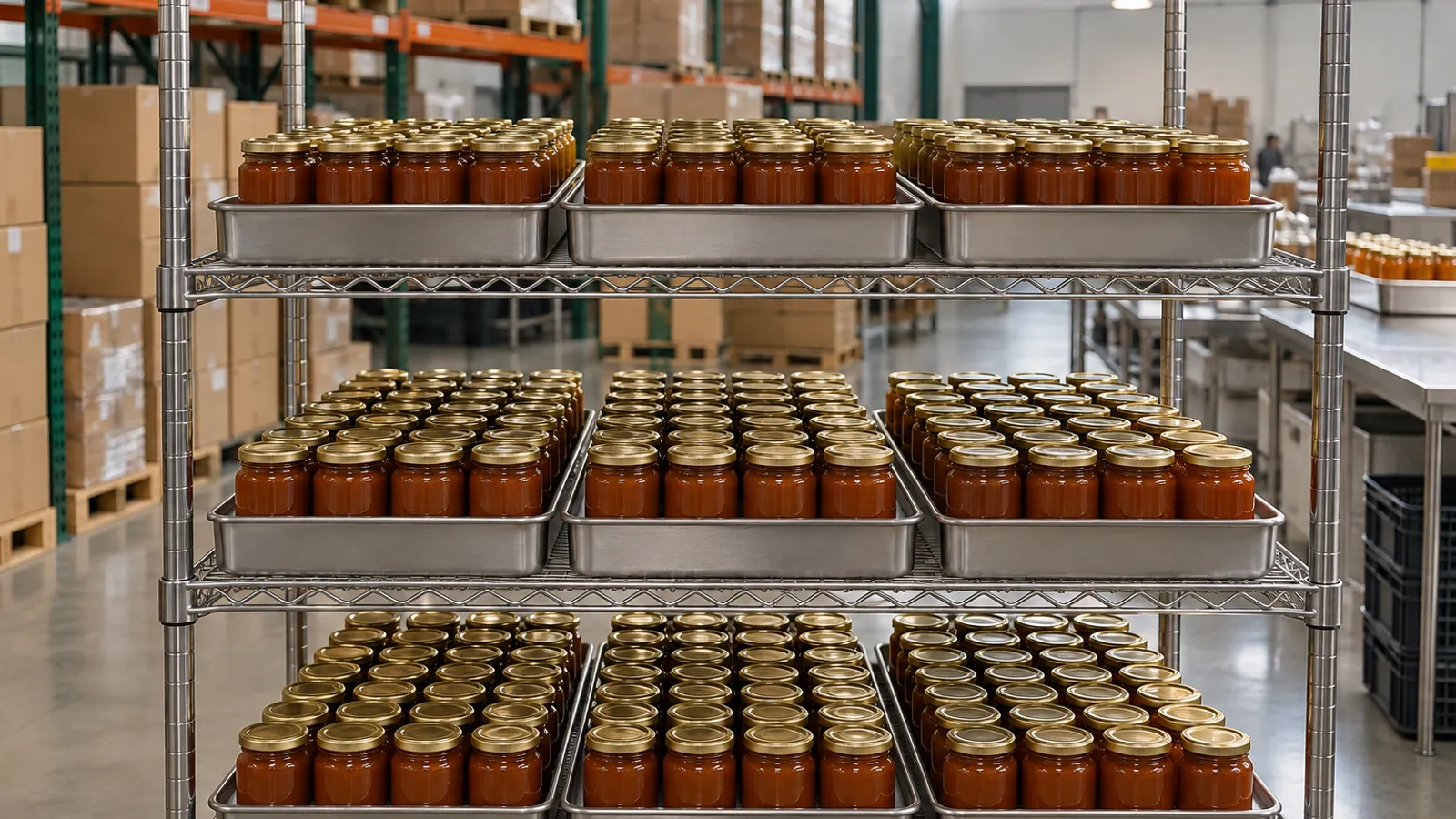
Lot and serial tracking must survive receipts, movements, repacking, holds, returns, and shipments. Define the events and relationships you need to reconstruct, then test both a normal transaction and an exception. A field called lot number does not by itself establish traceability. Product-specific laws and customer requirements can differ, so use official sources and qualified advisers to confirm the scope before treating a WMS workflow as compliant.
Distinguish identity from quantity
A lot groups stock under a defined batch identity; a serial identifies an individual unit within the relevant scheme. Your process must determine when each is captured, how it is validated, and whether it is unique within the required scope. Confirm the relationship among product, lot, serial, owner, location, status, and quantity rather than treating the identifier as free text.
Define how upstream identifiers are preserved and how any new internal identifier relates to them. If a pallet is split, cases are repacked, or units are returned, the traceability relationship may need to continue across those events. Ask the supplier to demonstrate the actual data model and reports, not merely a scan into a field on a receiving screen.
Test the event chain
| Event | Traceability question |
|---|---|
| Receipt | Which product, source, quantity, and tracking identity arrived? |
| Move | Where did the tracked stock go? |
| Split or repack | How are input and output identities related? |
| Hold | Which stock and open work are blocked? |
| Shipment | Which tracked stock went to which destination? |
| Return | Can identity and disposition be established? |
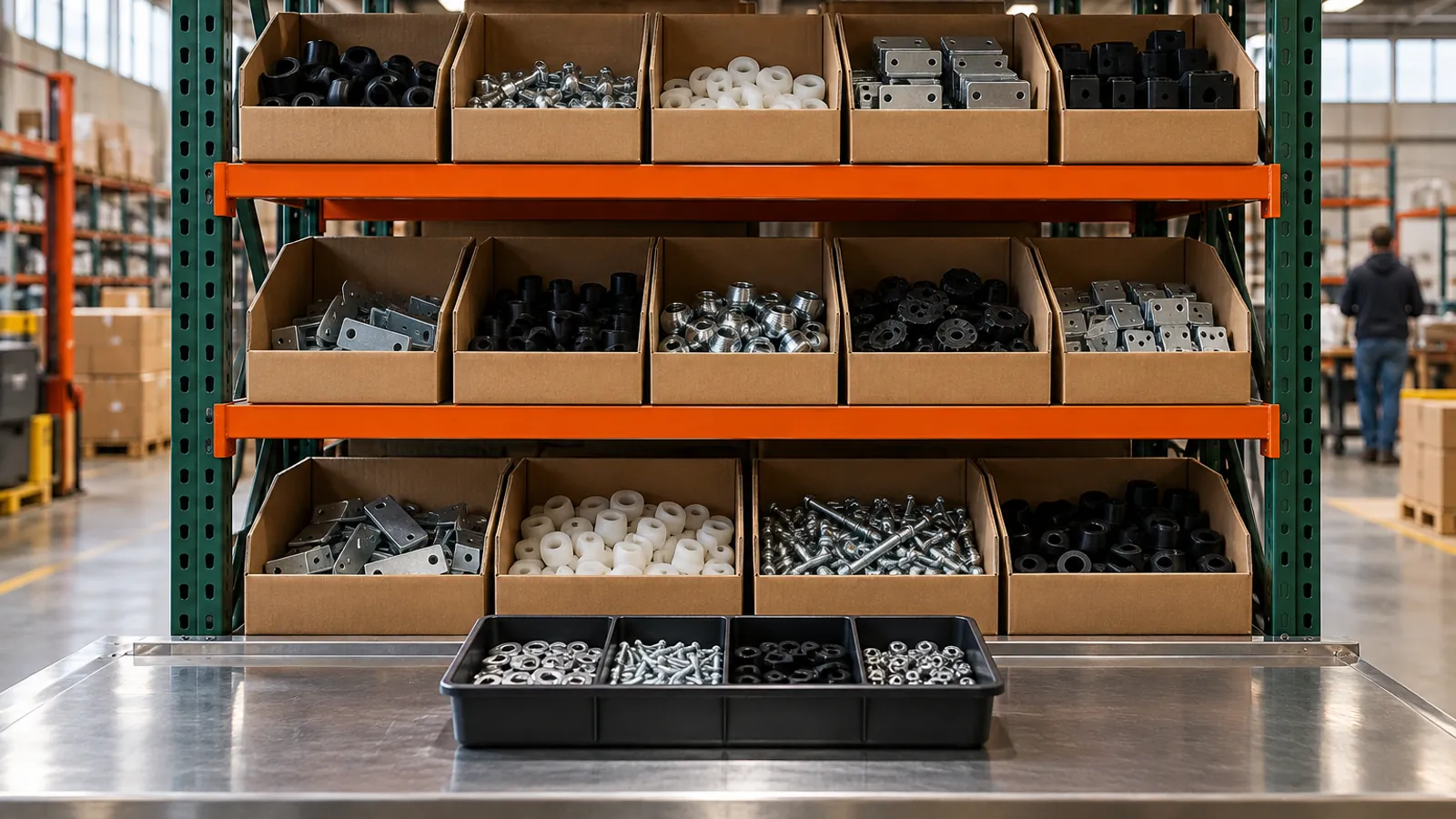
Create sample data that includes two lots of the same product, a partial case, and a held quantity where relevant. Attempt to allocate the held stock through each supported path. Check existing reservations and picked work, not only new orders. The required outcome must be defined by your quality and operations owners; do not assume a hold automatically reaches every downstream state.
Rehearse a trace request
Use an illustrative lot with 100 received eaches: 60 shipped, 20 available, ten held, and ten in a return or investigation state. Reconcile the 100 across all current and historical states and identify the relevant transactions. The numbers are a demonstration scenario, not a regulatory tolerance or performance benchmark. Adapt the scenario for transformations, losses, or other events in your operation.
Ask a staff member to produce the needed evidence using ordinary permissions and documented steps. Check whether exports preserve identifiers, units, timestamps, and relationships in an understandable format. A report that works only through a supplier's special query is a different operating arrangement from a self-service report. Record the time and assistance required without presenting it as a universal compliance measure.
Verify the applicable official requirement
For U.S. food operations, start with the FDA's Food Traceability Rule materials and scope guidance. Applicability depends on covered foods, activities, exemptions, and other details; this site does not determine whether your business is covered. The FDA FAQ reviewed for this guide states that a compliance-date extension to July 20, 2028 was proposed and that legislation directed FDA not to enforce before that date. Do not describe a proposal as a finalized rule.
Check the current FDA page before relying on that timing, and ask a qualified food-safety or legal adviser to confirm obligations. Other regulated products and trading partners may require different records or controls. GS1 logistics guidance helps with identification and data exchange but does not replace a legal applicability assessment or demonstrate that a software configuration meets every requirement.
Preserve correction and access controls
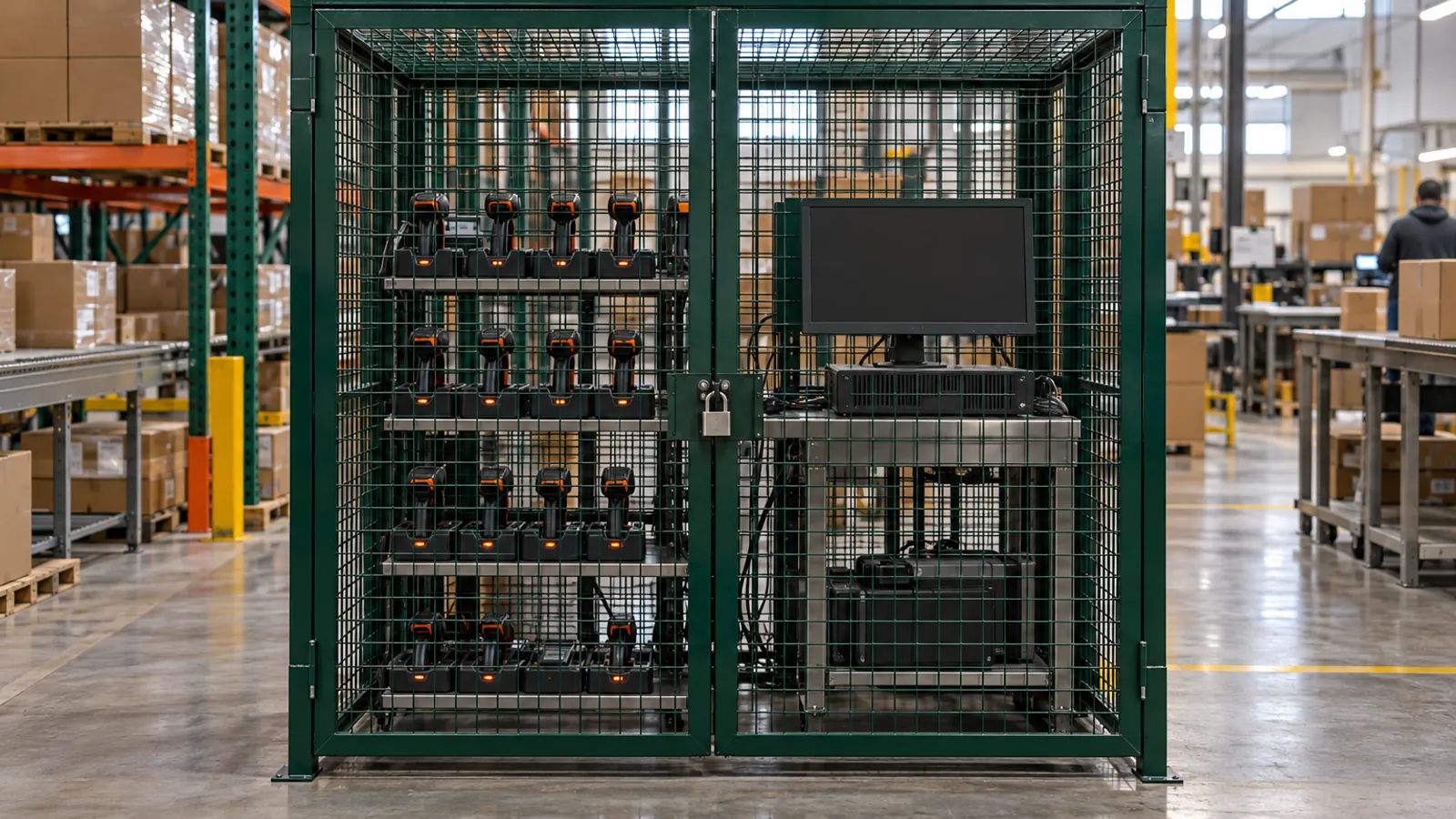
Define who can correct an identifier, release a hold, reverse a movement, and merge or split stock. Retain the original event and the authorized correction where required by your control design. Test what happens when a barcode contains an unexpected identifier or staff enter a duplicate serial. Do not normalize away a meaningful identifier difference without approval.
Include traceability data in migration, backup, recovery, and exit planning. A current stock export alone may not reconstruct historical relationships. Verify the required retention and access periods with the appropriate advisers. When changing systems, preserve a usable connection between old identifiers and the new records so a later trace request does not depend on undocumented staff memory.
FAQ
Is a lot field enough for traceability?
No. You need the relevant events, quantities, relationships, controls, and accessible evidence. Test the complete chain and its exceptions against your actual requirements.
Does GS1 labeling make the WMS legally compliant?
No. Identification standards and legal obligations serve different purposes. Confirm both the applicable standard and the product-specific requirements with qualified reviewers.
Should returns go back into the original lot automatically?
Only under an approved identification and disposition process. Uncertain identity or condition should not be resolved by silently assigning the expected lot.
Continue your decision
- WMS operating risks: a practical control map — Map warehouse failure paths to inventory controls, owners, detection signals, and recovery evidence before the next exception.
- Cycle counting in a WMS: investigate before adjusting — Design a count process with movement controls, independent recounts, variance investigation, and an auditable adjustment decision.
- Warehouse returns and holds: keep uncertain stock unavailable — Build a returns disposition process that separates physical receipt, inspection, ownership, credit, and stock release decisions.
- Use the launch readiness checklist to connect this guide to a practical planning task.
- Compare WMS approaches before treating a product category as a complete specification.
Sources and scope
Official pages checked on October 30, 2026. The planning procedures, test scenarios, and worked examples are original editorial guidance, not prescribed standards or evidence of product testing.
- FDA — Food Traceability Rule FAQ — Applicability, exemptions, records, and current compliance and enforcement timing.
- GS1 US — Serialized Shipping Container Codes — Logistics-unit identification and the distinction from product identifiers.